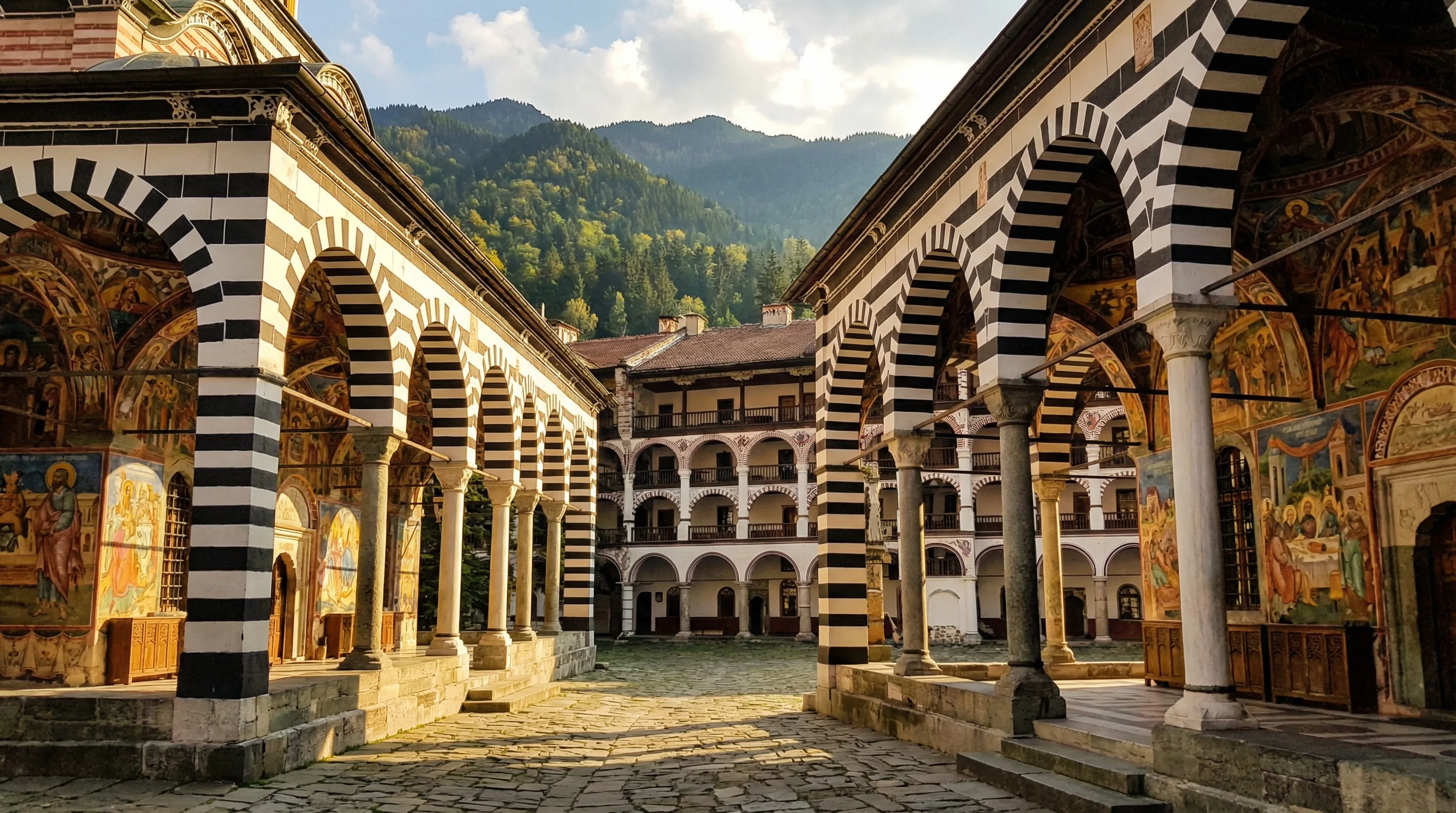
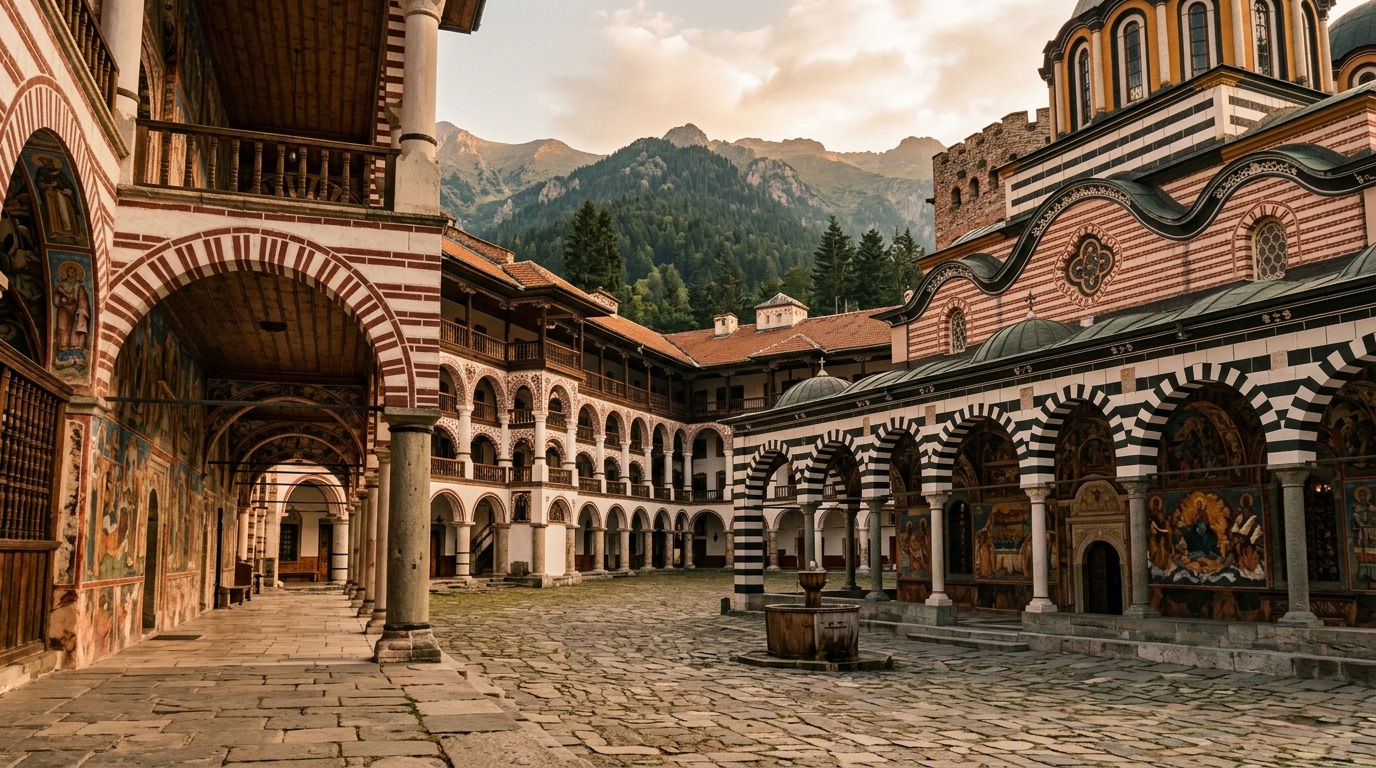
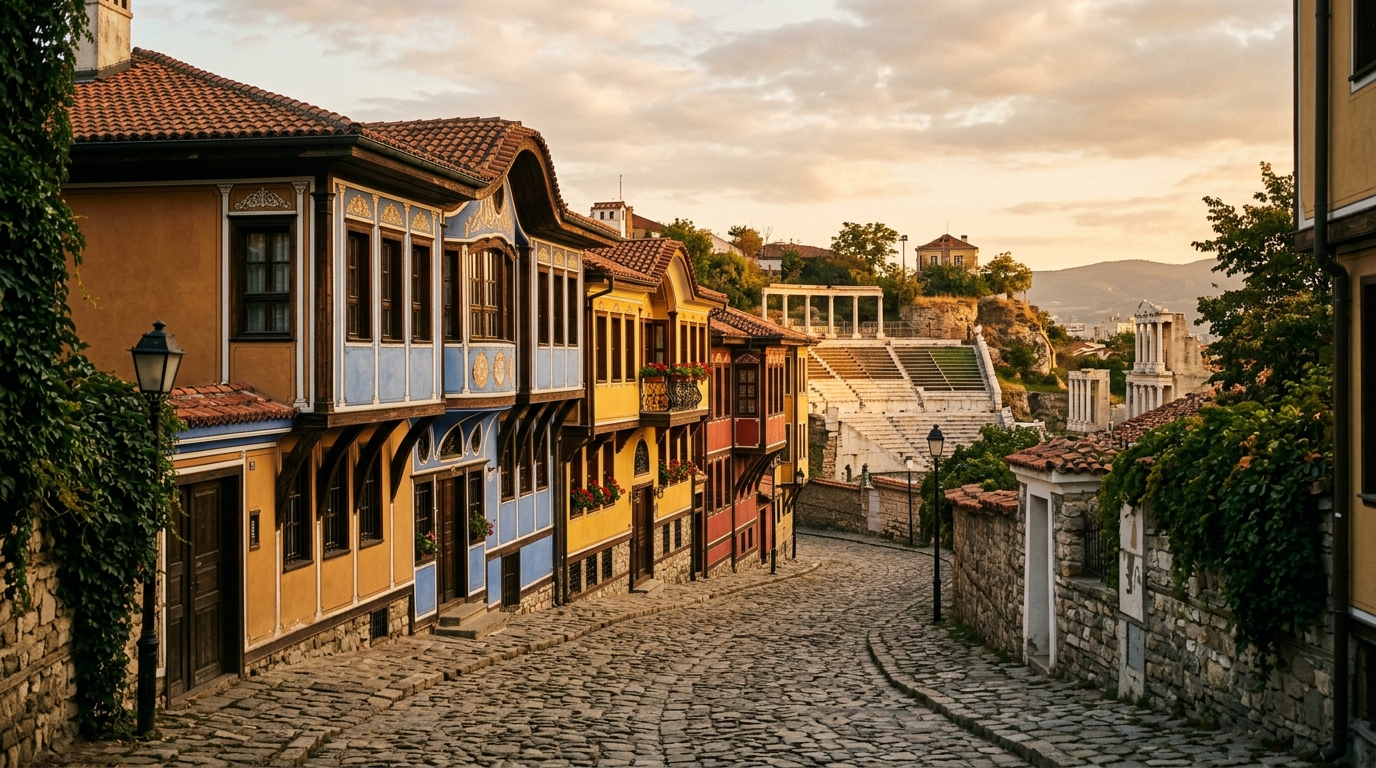
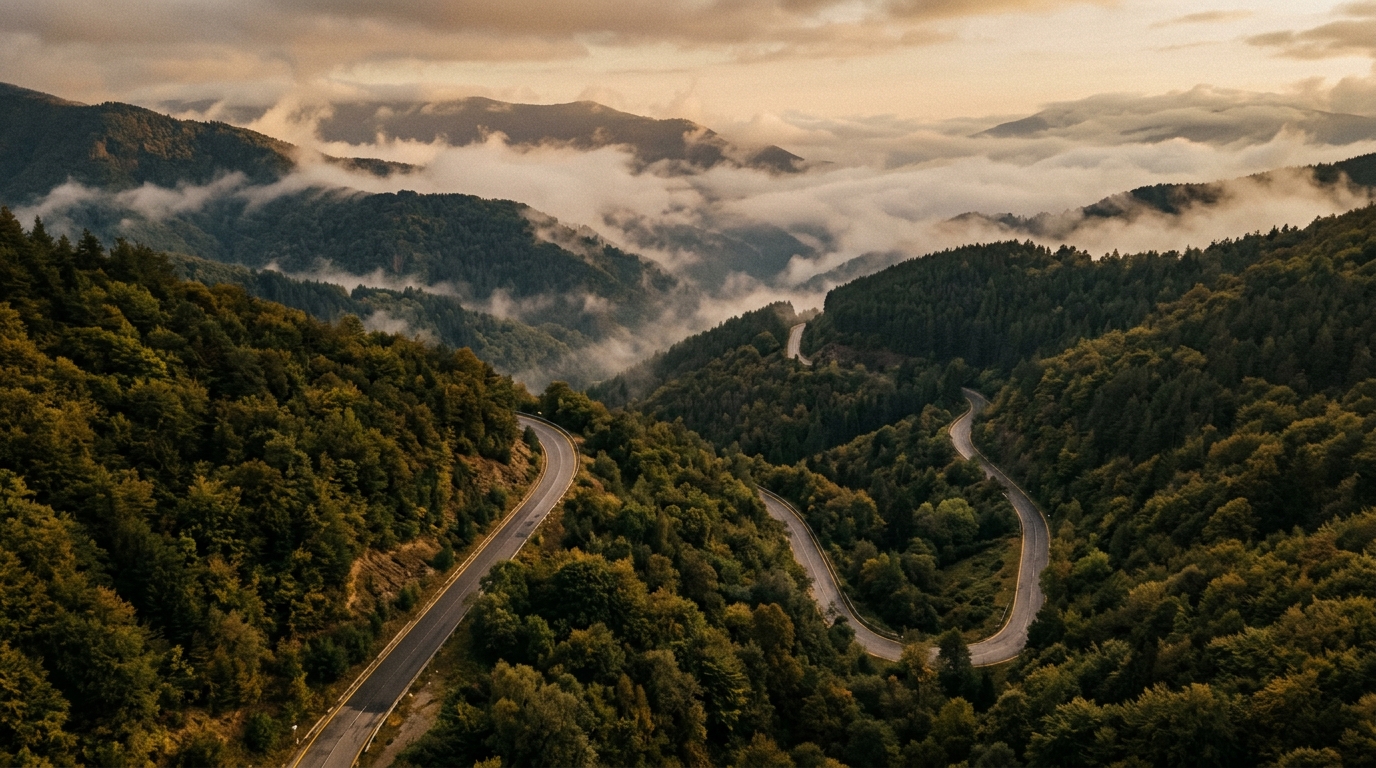
Bulgaria is the country where the Balkans start to feel genuinely vast. You can be on a pristine motorway outside Sofia, bombing along at 140 km/h through wide valleys, and two hours later find yourself on a mountain pass where the road narrows to one and a half lanes and a shepherd is moving his flock across the asphalt with no particular urgency. We have driven the length of the country twice — once from Vidin to the Black Sea, once from the Greek border up to the Danube — and every time the landscape shifted so dramatically between legs that it felt like crossing separate countries. For road trippers, Bulgaria is excellent value: good highways where they exist, mountain roads that rival anything in the Alps, and fuel prices that will make you forget what you paid in Croatia.
Road Conditions
Bulgaria has invested heavily in its motorway network over the past decade, and the results are noticeable. The Trakia motorway (A1) from Sofia to Burgas on the Black Sea is a genuine highway — smooth, well-lit, with proper rest stops. The Maritsa motorway (A4) toward the Turkish border at Kapitan Andreevo is similarly good. The Struma motorway (A3) toward Greece is mostly complete, with a few stretches still under construction around the Kresna Gorge that funnel traffic onto the old road.
First-class roads (marked with Roman numerals like I-6) are generally two-lane, well-surfaced, and adequate for comfortable driving. These are the roads you will use through the Rhodope Mountains, across the Rose Valley, and along the Black Sea coast north of Varna.
Second-class and third-class roads vary. Some are perfectly fine. Others feature potholes, crumbling edges, and surface changes that arrive mid-corner. In the mountains, expect hairpin turns without guardrails. None of this is unusual for the Balkans, but budget more time than the GPS suggests for any route that avoids the motorways.
The Black Sea coast roads between Burgas and Varna are excellent from May through October, maintained for the tourist season. In winter, mountain passes may close temporarily due to snow — Shipka Pass and the roads through the Stara Planina range are the most affected.
Speed Limits & Rules
| Zone | Speed Limit |
|---|---|
| Urban areas | 50 km/h |
| Open roads | 90 km/h |
| Expressways | 120 km/h |
| Motorways | 140 km/h |
Required equipment: reflective vest, warning triangle, first-aid kit, fire extinguisher, spare bulbs. Headlights must be on at all times year-round — this is one rule Bulgarian police enforce consistently. Seatbelts are mandatory. The blood alcohol limit is 0.05%.
Speed cameras are widespread and not always marked. Bulgaria uses both fixed cameras and mobile radar units operated from unmarked vehicles parked on the shoulder. The fines are not devastating (starting at BGN 50 for minor violations), but the process of paying them as a foreigner can be tedious. Keep to the limits.
Winter tires are mandatory from November 15 through March 1 — this means tires marked M+S with at least 4mm tread depth.
Fuel & Costs
Fuel stations are abundant along motorways and in cities. In rural mountain areas, stations are less frequent — fill up before crossing the Rhodope or the Stara Planina ranges. All major chains (Shell, OMV, Lukoil, Petrol) accept card payment. Smaller roadside stations may be cash-only.
| Item | Cost |
|---|---|
| Euro 95 petrol | ~BGN 2.40-2.55/L (~EUR 1.23-1.30) |
| Diesel | ~BGN 2.35-2.50/L (~EUR 1.20-1.28) |
| LPG | ~BGN 1.20-1.35/L (~EUR 0.60-0.70) |
Bulgaria uses the Lev (BGN), pegged to the Euro at approximately 1.96 BGN = 1 EUR. ATMs are everywhere in cities and resort towns. Card payment is widely accepted, though rural cafes and guesthouses may prefer cash.
E-Vignette
Bulgaria requires an electronic vignette for all motorways and first-class roads. You must purchase it before using these roads — there are no physical toll booths.
Buy your e-vignette online at bgtoll.bg before you arrive. Options: weekend (BGN 10), week (BGN 15), month (BGN 30), quarter, or annual. The vignette is linked to your license plate — no sticker, nothing to display. Cameras at motorway entries check plates automatically.
Do not forget this. The fine for driving without a valid e-vignette is BGN 300 (about EUR 150), and enforcement is automated. We have seen travelers caught within the first five kilometers after crossing from Serbia.
Tip: Buy the weekly vignette even if you think you will stick to secondary roads. First-class roads in Bulgaria also require it, and you will almost certainly end up on one without realizing.
Parking
Sofia has a zone-based parking system in the central districts (Zone 1 is blue, Zone 2 is green). Pay via the parking app or by SMS — signs at each spot show the code. Zone 1 costs BGN 2/hour. Underground parking garages near major malls (Paradise Center, Serdika Center) offer all-day rates around BGN 12-15.
Plovdiv’s old town is largely pedestrianized. Park along the Maritsa River near the International Fair area, or use the paid lots near the Roman Stadium. Fees are minimal.
Along the Black Sea coast in summer, resort towns like Sunny Beach and Golden Sands have paid parking lots (BGN 10-20/day). In Sozopol and Nessebar old towns, parking is restricted — use the lots at the entrance and walk in.
Insurance & Documents
EU driving licenses are valid. Non-Latin alphabet licenses should be accompanied by an International Driving Permit. Carry your vehicle registration and insurance Green Card at all times.
Bulgaria is part of the Green Card system. Verify that BG is not struck through on your card. Border insurance is available for purchase if needed, typically around EUR 60-80 for two weeks.
If renting a car, confirm that your rental agreement covers Bulgaria specifically, especially if you are picking up in another country. Cross-border surcharges of EUR 30-80 are common. CDW is strongly advised — mountain roads can surprise you with loose gravel and unmarked edges.
For a complete overview of documents and insurance across all Balkan countries, see our driving guide.
Explore Bulgaria
Our Sofia to Black Sea drive guide covers the full cross-country route with detours through Plovdiv and over the Shipka Pass. The Rila Monastery by car guide takes you from Sofia into the mountains to Bulgaria’s most famous monastery and back in a day.
Routes Through Bulgaria
The Transylvania Loop dips into northern Bulgaria from Romania. The Black Sea to Adriatic route starts in Sofia and crosses the country westward. The Grand Balkan Circuit passes through Bulgaria between North Macedonia and Romania. Check our border crossings guide for current wait times at all Bulgarian entry points.