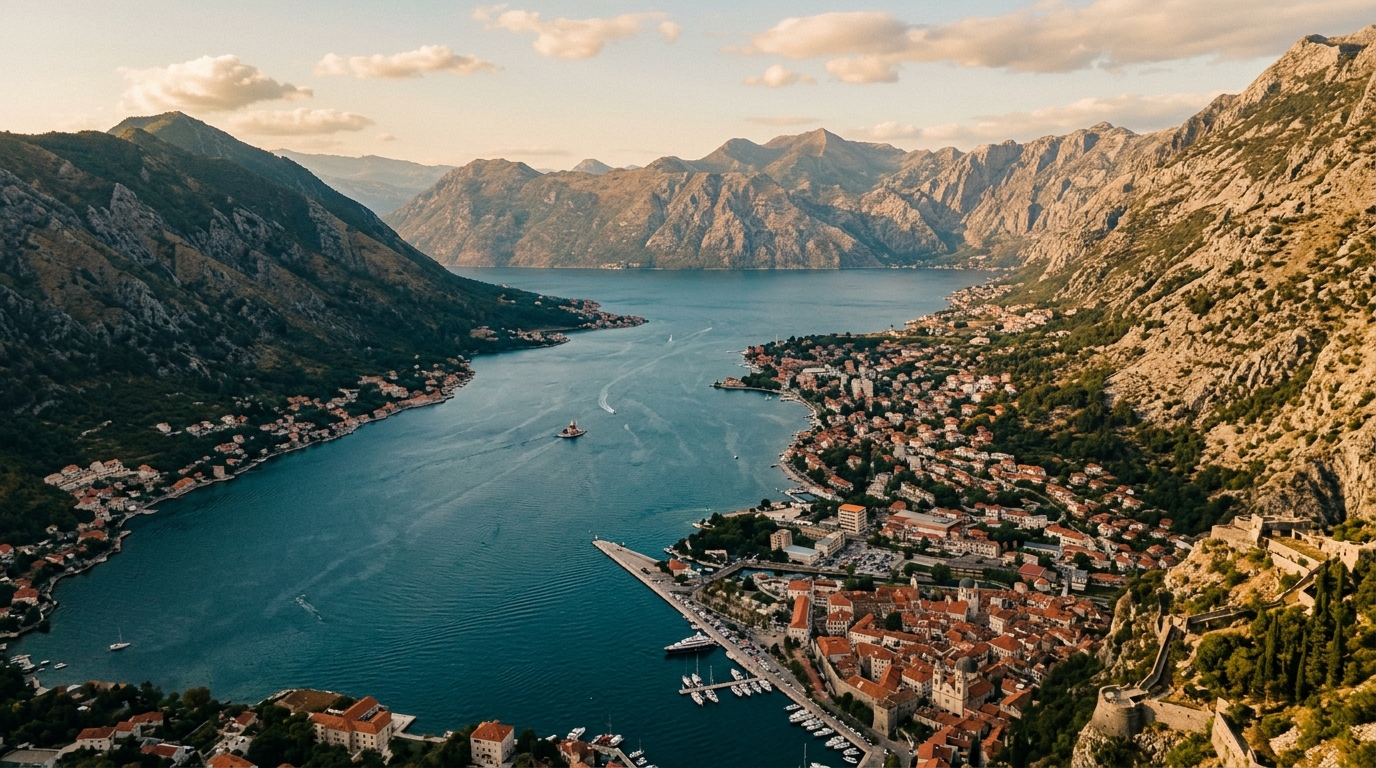
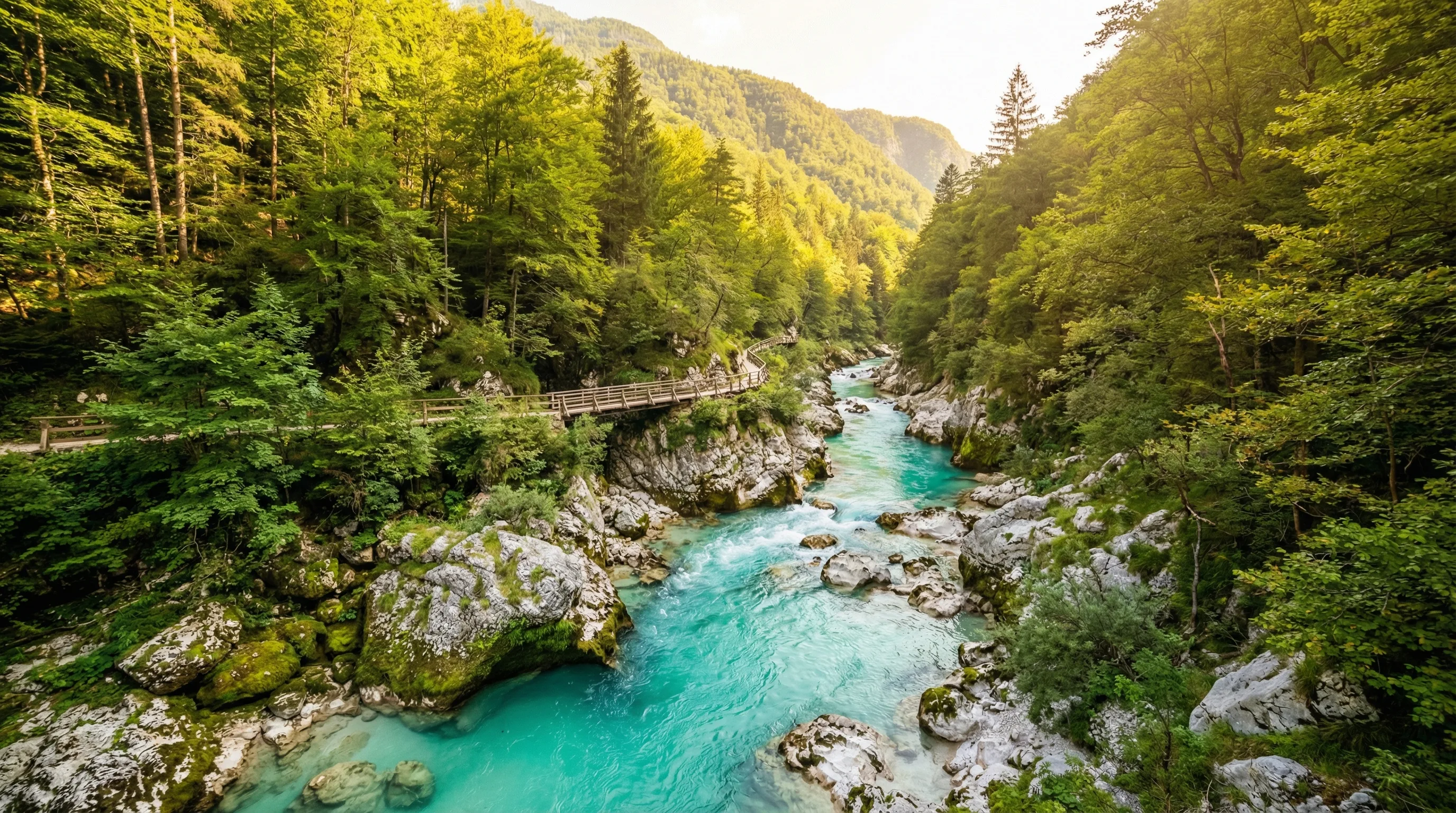
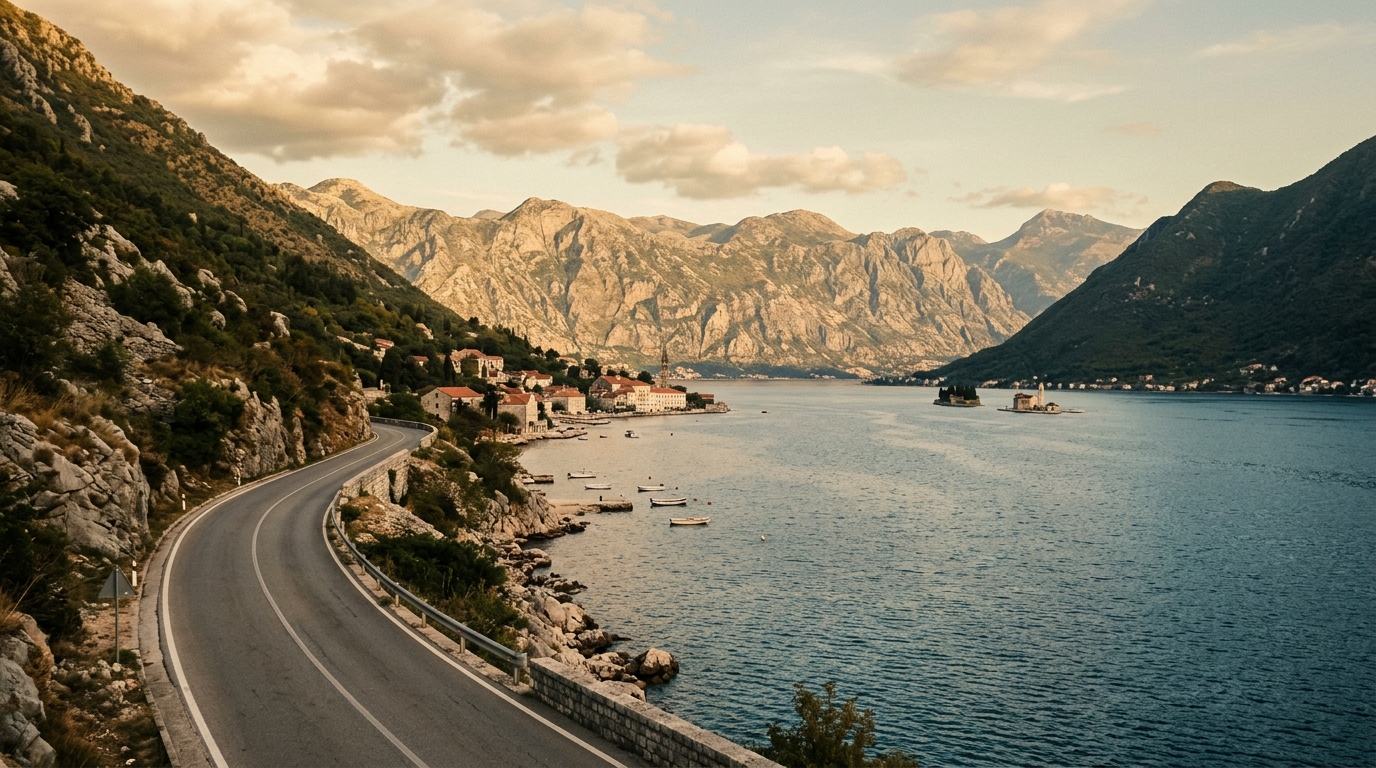
Montenegro is the smallest country on our Balkan map, and that is precisely what makes it perfect for a road trip. You can drive from the Croatian border to the Albanian border in under four hours. The Bay of Kotor alone justifies bringing a car here — no bus tour gives you the freedom to stop at every hairpin turn overlooking that impossible water. We have driven every major road in this country multiple times, and the honest assessment is this: the coastal stretch is beautiful and manageable, the mountain interior is stunning and will test your nerves, and nowhere will you pay a single cent in tolls.
Road Conditions
The Adriatic coastal road (E65/E80) from Croatia through Herceg Novi, around the Bay of Kotor, past Budva, and down to Ulcinj is in good condition. Two lanes, decent asphalt, and enough pull-offs to stop for photos. The Bay of Kotor section is narrow in places, and in summer you will share it with tour buses that take up more than their lane. Accept this. Breathe. Enjoy the absurd scenery.
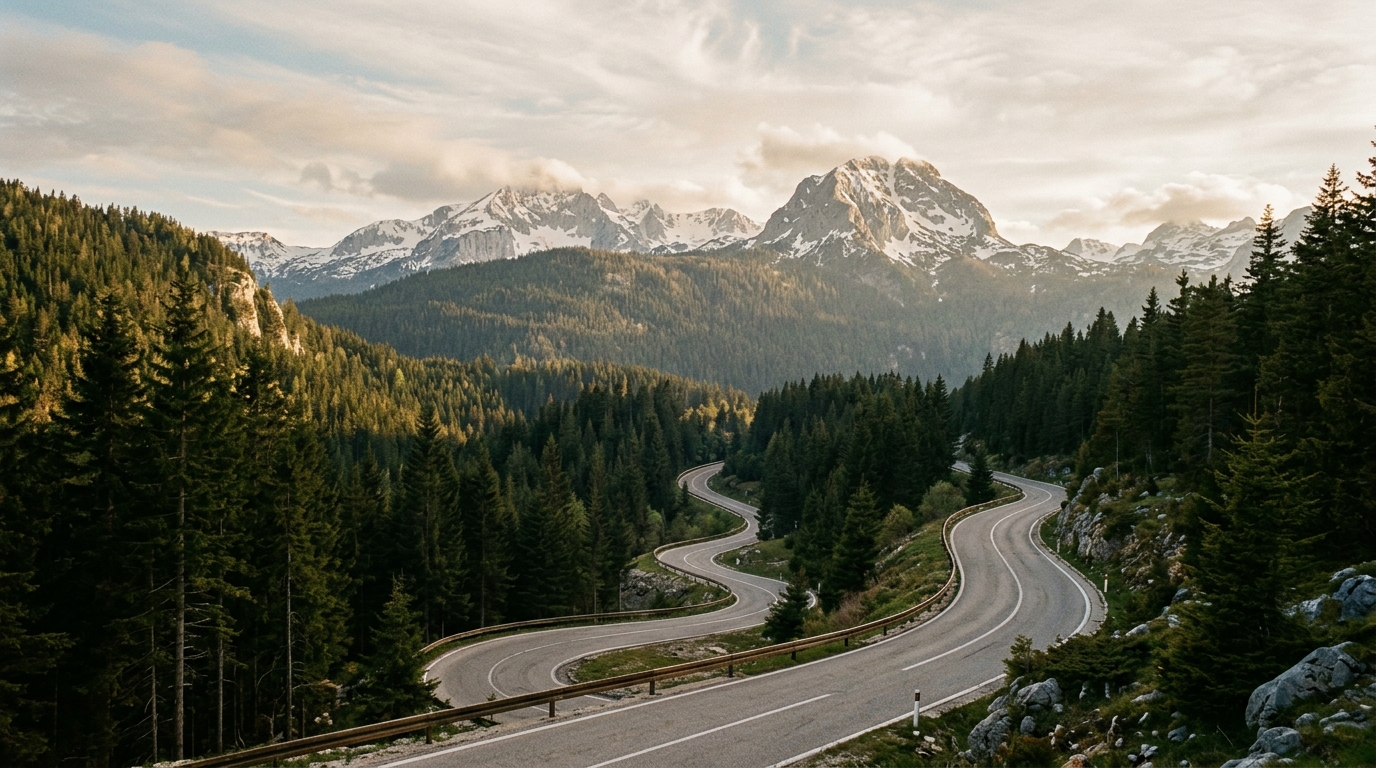
Inland roads are where Montenegro earns its reputation. The road from Podgorica to Kolasin through Moraca Canyon is spectacular but demands full attention — steep drops, no guardrails in some sections, and the occasional truck that appears around a blind corner. The road to Durmitor National Park via Zabljak is similar: rewarding but not relaxing.
The Sozina tunnel (4.2 km, EUR 3.50 per car) provides a shortcut from the coast to Podgorica and Lake Skadar. It is the closest thing Montenegro has to a modern motorway segment.
There are no highways in Montenegro in the traditional sense. The “main roads” are two-lane affairs that wind through mountains and along canyon walls. Maximum speed limits reflect this — 80 km/h is the national maximum outside urban areas.
Tip: Do not trust Google Maps time estimates for mountain roads in Montenegro. Add 30-50% to whatever it tells you. A “90-minute” drive to Durmitor from the coast will take you closer to 2.5 hours with real-world conditions.
Speed Limits & Rules
| Road Type | Speed Limit |
|---|---|
| Main roads | 80 km/h |
| Rural roads | 80 km/h |
| Urban areas | 50 km/h |
| Near schools/hospitals | 30 km/h |
Required equipment:
- Reflective vest
- Warning triangle
- First-aid kit
- Spare bulb set
- Headlights must be on 24 hours from November through March
Blood alcohol limit: 0.03% — effectively zero. Montenegro takes this seriously.
The speed limits feel low until you actually drive the roads and realize 80 km/h is often ambitious. Police speed checks are common on the flat sections near Podgorica and along the coast. Fines are payable on the spot (EUR 20-150 depending on the offense) or via bank transfer within 8 days.
Fuel & Costs
Montenegro uses the Euro, which makes life simple. Fuel stations are reasonably distributed along the coast and main routes, but they thin out significantly in the mountains.
| Fuel Type | Average Price |
|---|---|
| Eurosuper 95 | ~EUR 1.43/L |
| Diesel | ~EUR 1.40/L |
| LPG | ~EUR 0.65/L |
Most stations accept credit cards. Jugopetrol and Eko are the main chains. Before heading into the mountains toward Zabljak or Plav, fill up in Podgorica or Niksic — there may be long stretches without a station.
Montenegro has no tolls on any road. The Sozina tunnel is the only paid passage, and at EUR 3.50 it hardly counts. This is one of the cheapest countries in the Balkans for driving.
Parking
Coastal towns charge for parking in summer. In Kotor, the lot near the Old Town gates costs EUR 1-2/hour and fills up by 9am in July. The overflow lot near the cruise ship terminal is a 10-minute walk — use it. Budva is slightly easier but still tight in the Old Town area.
Podgorica has paid parking in the center (EUR 0.50/hour) but the city is small enough that finding a spot is rarely dramatic.
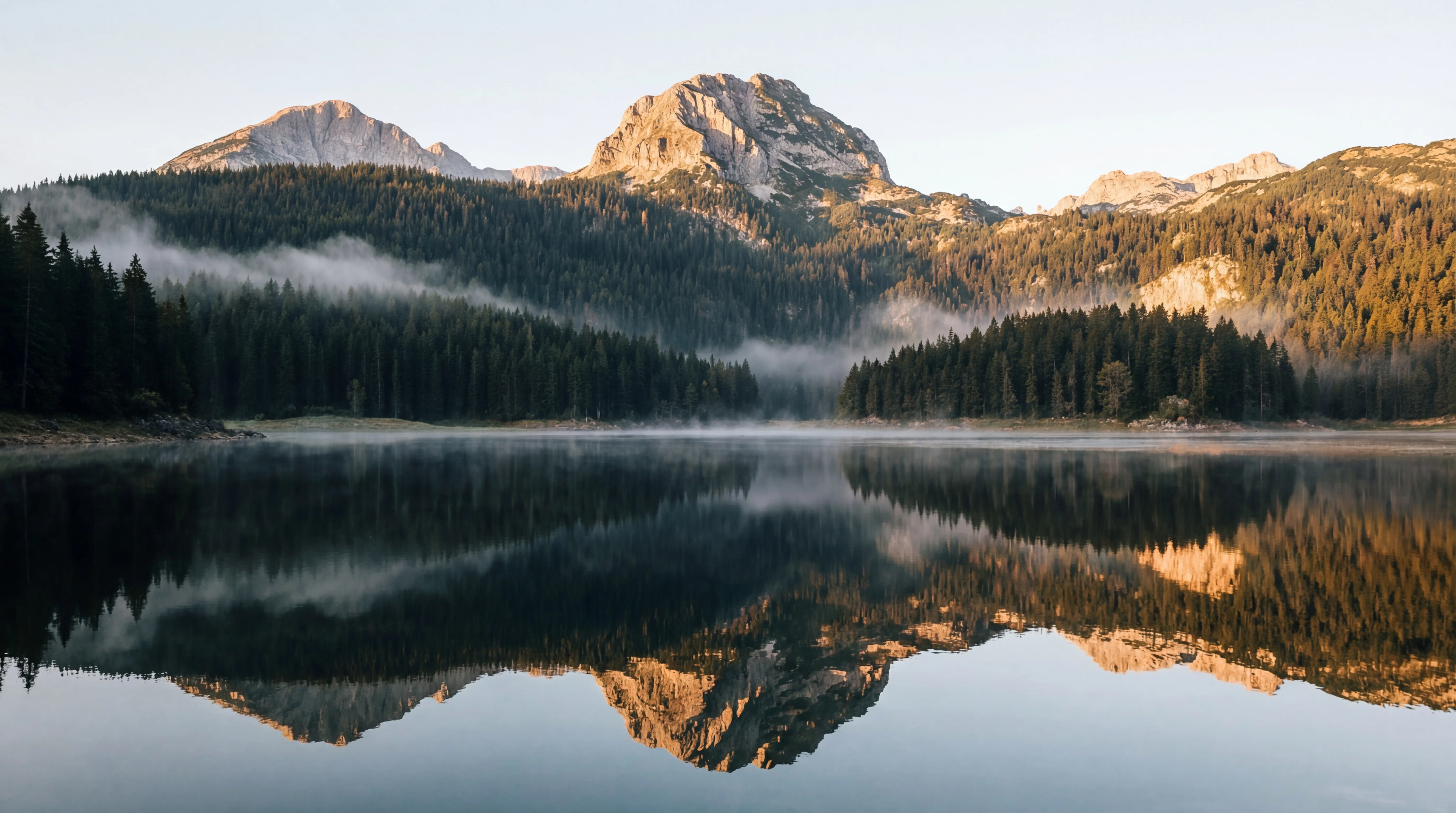
In Durmitor National Park, parking at Black Lake (Crno Jezero) is free but limited. The lot at the park entrance can fill up on summer weekends.
Tip: In Kotor, consider parking in Dobrota (2 km north) where spots are free and the waterfront walk into town is lovely.
Insurance & Documents
EU/EEA driving licenses are valid in Montenegro. Non-EU license holders should carry an International Driving Permit.
Third-party insurance is mandatory. EU green cards are recognized. If your green card does not list Montenegro (check the back — some older cards excluded it), you will need to buy border insurance (approximately EUR 15 for two weeks).
Rental cars from Croatian or other EU agencies sometimes have restrictions on entering Montenegro — always confirm with the agency before crossing. Some require a written authorization letter and charge an additional cross-border fee (EUR 20-50).
For the full breakdown of insurance requirements across all Balkan countries, see our driving guide.
Country Articles
Explore Montenegro in detail with these guides:
- Bay of Kotor Driving Guide — the most scenic loop in the Balkans
- Durmitor National Park by Car — mountain roads and canyon views
Routes Through Montenegro
Montenegro appears in several of our cross-border itineraries:
- Adriatic Coast: Dubrovnik to Tirana — the classic coastal run south
- Slovenia to Montenegro — from the Julian Alps to the Bay of Kotor
- Grand Balkan Circuit — the full 7-country loop
For tips on crossing all five of Montenegro’s borders, see our border crossings guide.