Croatia has the best highway network in the western Balkans and one of the most famous coastal roads in Europe. We have driven the A1 from Zagreb to Split dozens of times, and every trip reminds us why this country works so well as a road trip base. The infrastructure is modern, the signage is clear, and the only real challenge is the summer traffic crawling along the Adriatic coast between Zadar and Dubrovnik. If you are planning a Balkan road trip, Croatia is likely where you will start — and after reading this, you will know exactly what to expect behind the wheel.
Road Conditions
Croatian highways are genuinely excellent. The A1 motorway connecting Zagreb to Split (and onward to Dubrovnik via the A1/E65) features smooth asphalt, well-lit tunnels, and clear lane markings. The A3 running east toward Serbia is equally well-maintained. These are roads that would feel at home in Germany or Austria.
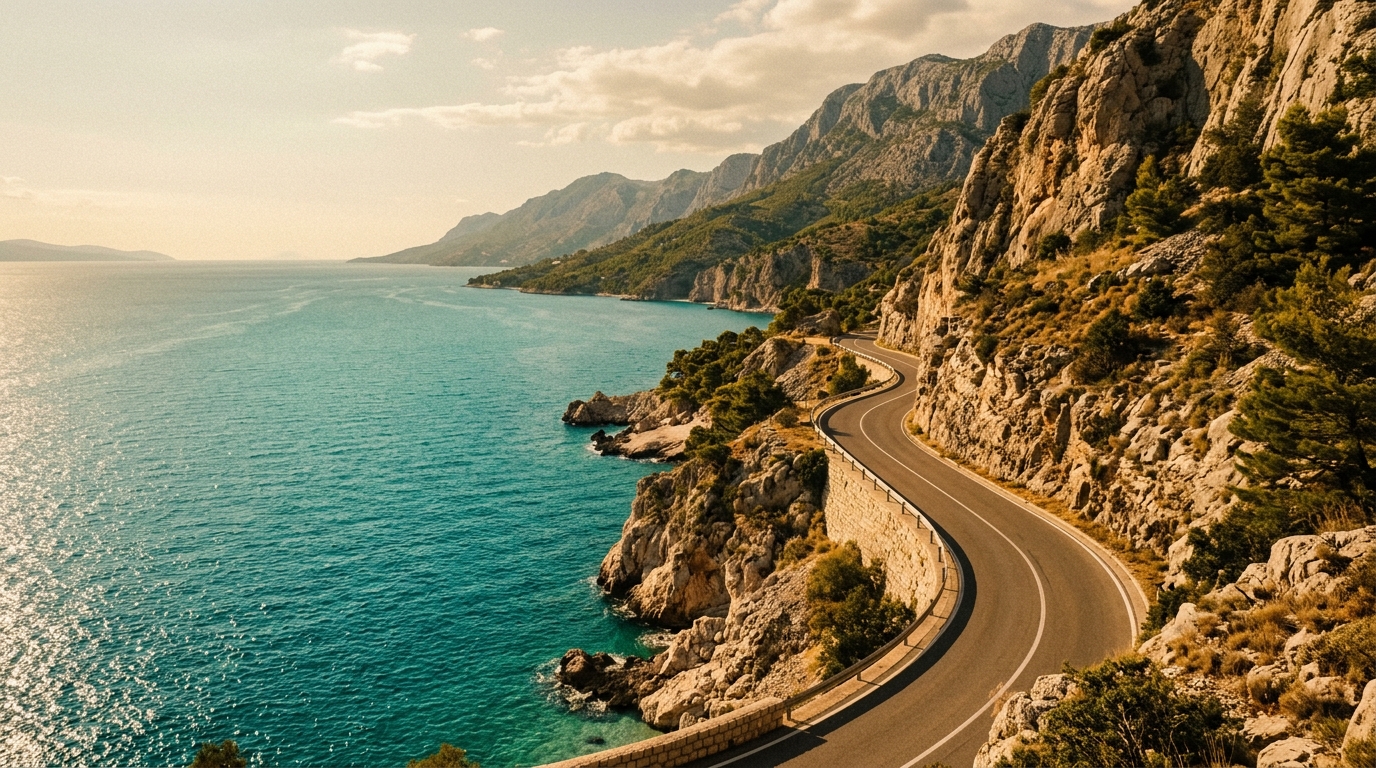
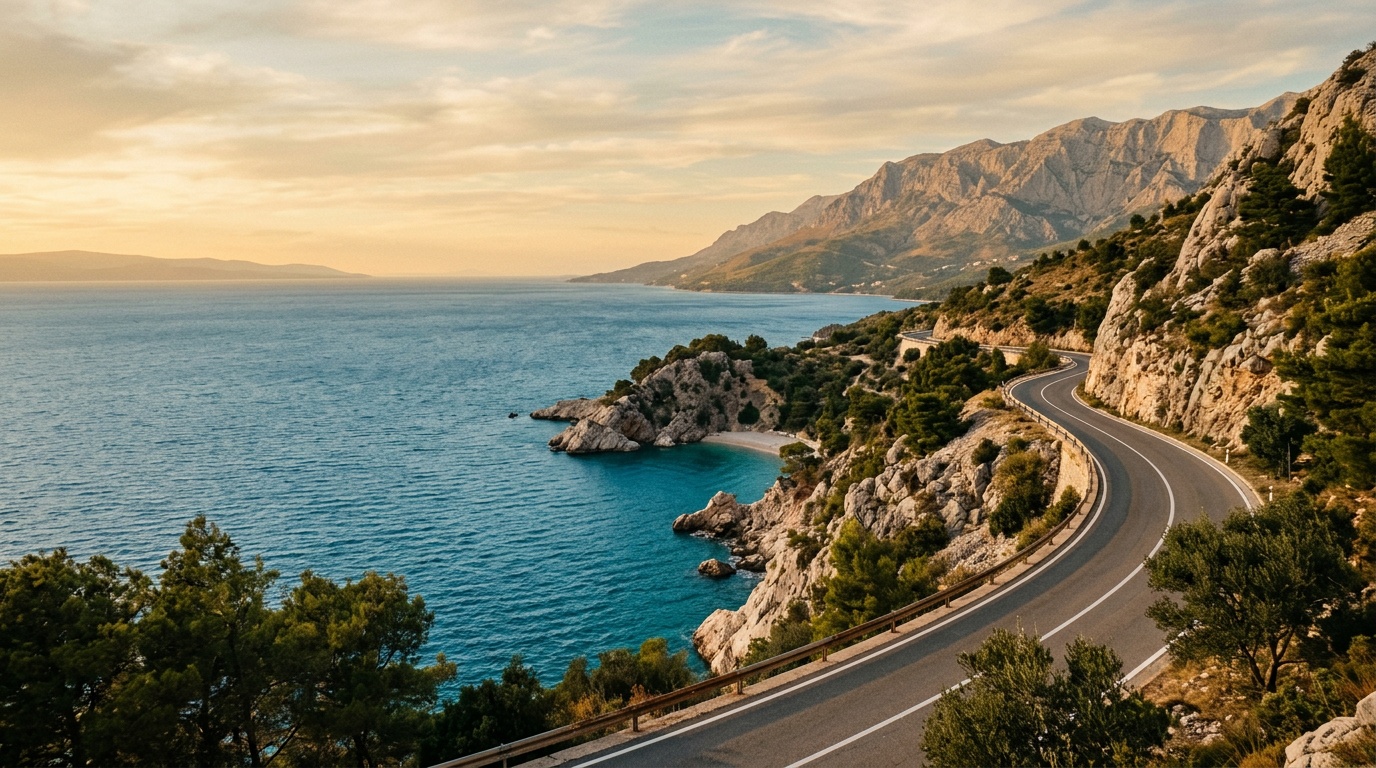
The coastal road (D8, also known as the Adriatic Highway or Jadranska Magistrala) is a different story. It is a two-lane road that winds along the coast, through towns, past parking lots full of tourists, and around slow-moving camper vans. In July and August, the stretch between Split and Dubrovnik can be genuinely painful. Budget extra time or, better yet, take the A1 inland and cut back to the coast only where you need to.
Secondary roads inland — through Istria, toward Plitvice Lakes, or in Slavonia — range from good to perfectly adequate. You will not need an SUV anywhere in Croatia. A standard rental car handles everything this country throws at you.
Tip: The Sveti Rok tunnel on the A1 marks the climate divide — north of it, continental weather; south of it, Mediterranean. Weather can change dramatically in those 5.7 km.
Speed Limits & Rules
| Road Type | Speed Limit |
|---|---|
| Motorways | 130 km/h |
| Dual carriageways | 110 km/h |
| Rural roads | 90 km/h |
| Urban areas | 50 km/h |
Required equipment:
- Reflective vest (must be in the cabin, not the trunk)
- Warning triangle
- First-aid kit
- Spare bulb set
- Headlights must be on 24 hours during winter months (last Sunday of October to last Sunday of March)
Blood alcohol limit: 0.05% (0.00% for drivers under 24).
Speed cameras are common on highways and at town entrances. Fines start at EUR 65 for exceeding the limit by up to 20 km/h and escalate quickly. Croatian police are professional and efficient — they will not try to extract a bribe, but they also will not let you off with a warning.
Fuel & Costs
Croatia uses the Euro, which simplifies things enormously if you are coming from the EU. Fuel stations are plentiful on highways and along the coast.
| Fuel Type | Average Price |
|---|---|
| Eurosuper 95 | ~EUR 1.48/L |
| Diesel | ~EUR 1.45/L |
| LPG | ~EUR 0.70/L |
Most stations accept credit cards. INA and Petrol are the dominant chains. Highway stations are slightly more expensive (5-8%) than those in towns.
Toll costs on the A1: Zagreb to Split costs roughly EUR 25 one way. Zagreb to Dubrovnik (via A1 and coastal road) runs about EUR 30 in tolls. You can pay with cash (EUR or card) at booths, or get an ENC transponder for a slight discount and faster passage through dedicated lanes.
Tip: If you are renting a car, ask the rental agency whether an ENC device is included. Some agencies charge EUR 1-2/day for it; others bundle it in.
Parking
In Zagreb, paid parking is divided into three zones (red, yellow, green) with rates from EUR 0.40 to EUR 1.60/hour. You pay via SMS, parking meters, or apps like EasyPark.
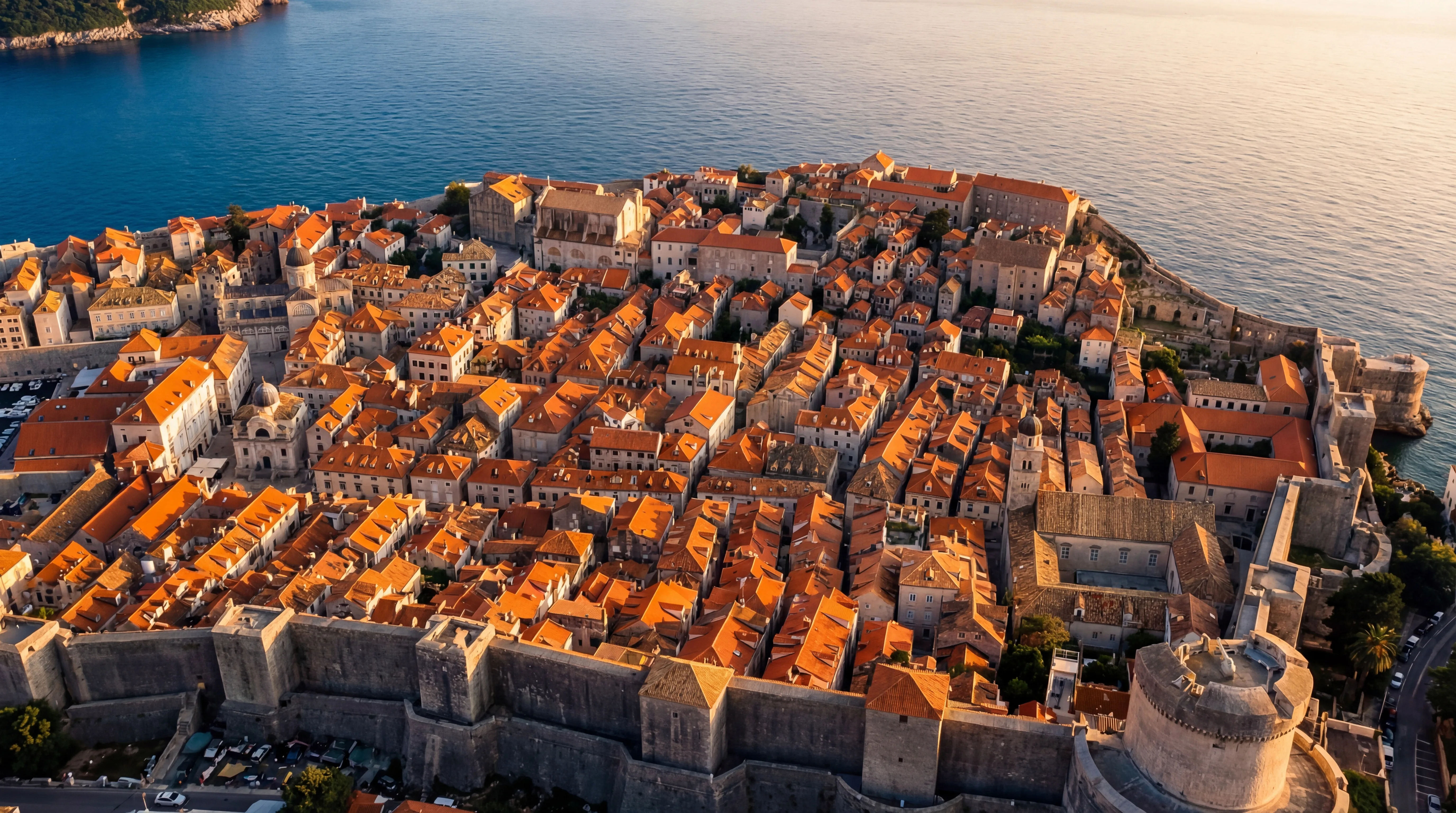
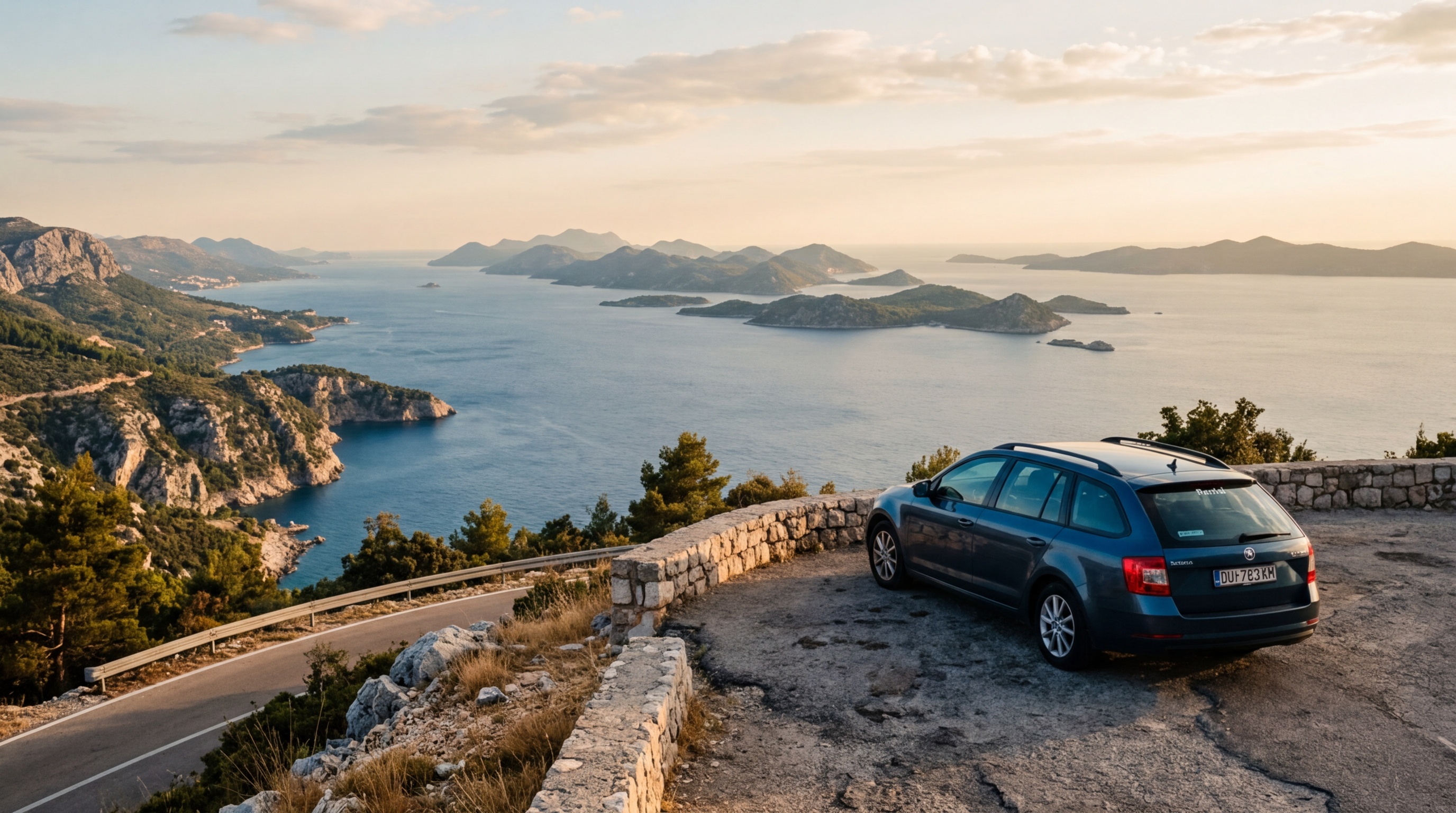
Along the coast in summer, parking becomes the main challenge. Dubrovnik is notoriously difficult — the Ilijina Glavica garage near the Old Town charges around EUR 6/hour. Split is slightly better but still tight in the historic center. Our advice: park outside the old cores and walk in, or arrive early.
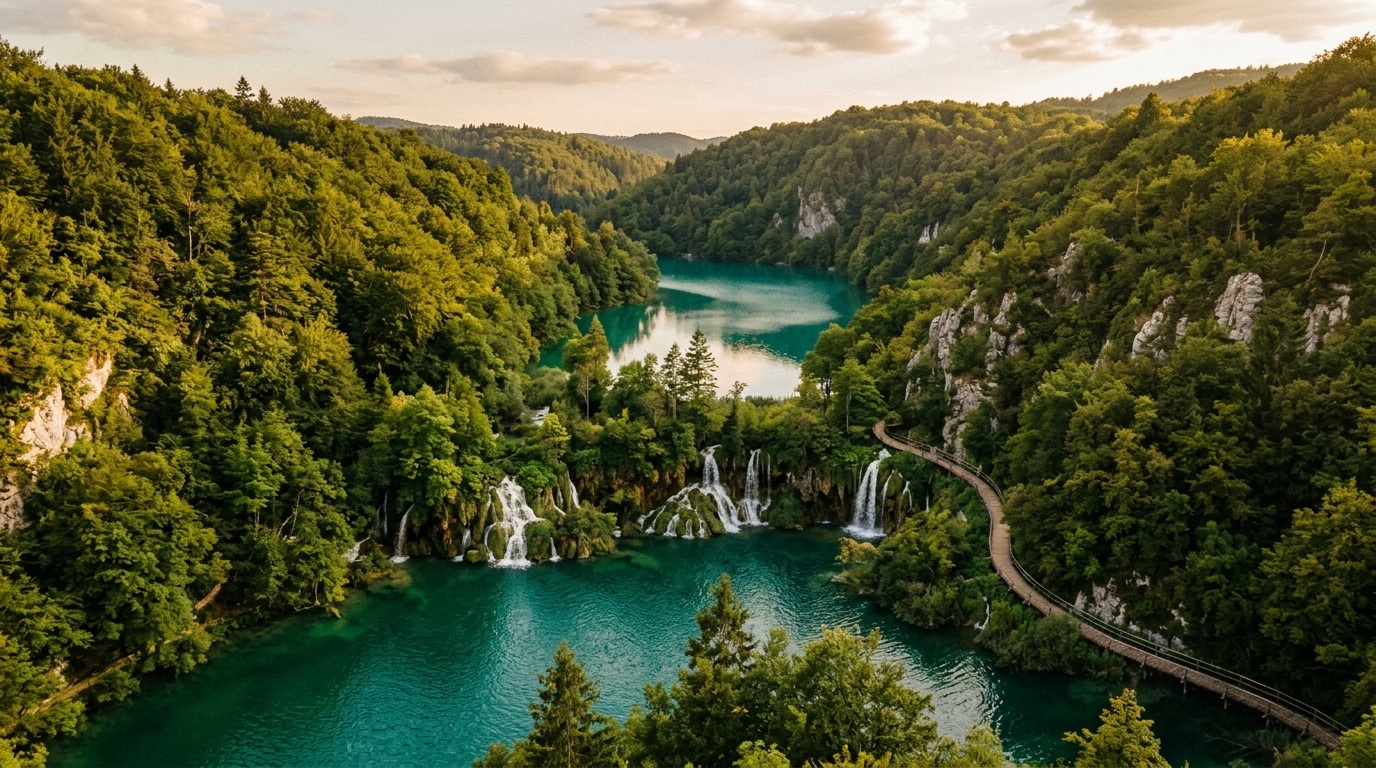
Plitvice Lakes National Park has large parking lots (EUR 1.20/hour for cars). They fill up by 10am in July and August — arrive early or visit in the shoulder season.
Insurance & Documents
EU/EEA licenses are valid in Croatia. If you hold a license from outside the EU, carry an International Driving Permit alongside your national license.
Your vehicle must carry proof of insurance. If your car is registered in the EU, your green card is recognized automatically. For non-EU vehicles, verify with your insurer that Croatia is covered.
Rental cars come with mandatory third-party insurance. We strongly recommend adding CDW (Collision Damage Waiver) and checking for franchise/deductible amounts — some agencies set them at EUR 900-1,500.
For the full comparison across all Balkan countries, see our driving guide.
Country Articles
We cover Croatia in more detail in these guides:
- Dubrovnik to Split Coastal Drive — the iconic Adriatic route
- Plitvice Lakes by Car — day trip planning and parking tips
- Car Rental Tips for Croatia — agencies, prices, and what to watch for
Routes Through Croatia
Several of our multi-country itineraries pass through Croatia:
- Adriatic Coast: Dubrovnik to Tirana — south along the coast into Montenegro and Albania
- Grand Balkan Circuit — the full loop through 7 countries
- Belgrade to Dubrovnik — crossing Bosnia to reach the coast
For border crossing details across all countries, check our border crossings guide.